



What is CSRD?
CSRD stands for Corporate Sustainability Reporting Directive, a regulation by the European Union that mandates companies to disclose environmental, social, and governance (ESG) information and adhere to unified reporting standards.
What is CSDDD?
The CSDDD, short for Corporate Sustainability Due Diligence Directive, is a mandatory action framework imposed by the EU requiring companies to identify, prevent, and rectify human rights and environmental risks in their supply chains while bearing legal responsibilities.
Which companies does CSRD cover?
The CSRD applies to: ① EU-listed companies; ② Large EU companies with annual revenue exceeding €150 million or more than 500 employees; ③ Non-EU companies with annual revenue in the EU exceeding €150 million.
Which companies does CSDDD cover?
The CSDDD applies to: ① EU companies with ≥1,000 employees and global revenue ≥€450 million; ② high-risk sector companies with ≥500 employees and revenue ≥€150 million; ③ non-EU companies reaching equivalent revenue thresholds in the EU.
What is the relationship between CSRD and CSDDD?
CSRD focuses on “transparency”: Mandates companies to disclose key data such as carbon emissions and biodiversity. CSDDD emphasizes “action”: Requires companies to identify supply chain risks and develop remediation plans. CSRD disclosure data provides the basis for CSDDD risk assessments, while CSDDD execution effectiveness is made transparent to stakeholders through CSRD.
What difficulties do enterprises face?
Difficulty in ESG data penetration
The CSRD mandates the traceability of Scope 3 carbon emissions, while the CSDDD requires supply chain due diligence. High-risk industries like textiles face significant data barriers from suppliers, making it difficult to trace labor conditions among Tier 3 suppliers.
Difficulty in implementing risk rectification measures
CSDDD requires human rights/environmental remedies to be written into contracts, while CSRD mandates the establishment of an internal ESG audit system and its inclusion in executive compensation assessments. Companies face “internal and external” challenges, including supplier resistance to clause modifications and internal ESG implementation mechanisms.
Dynamic compliance management is challenging
The EU’s ESG standards ESRS are updated annually, and the CSDDD due diligence guidelines are gradually refined. Companies struggle to assess policy risks in real time, facing high compliance costs or the risk of triggering multiple fines simultaneously.

We provide one-stop sustainable development solutions
ESG services that simultaneously comply with Chinese, EU ESRS, US SEC, and MSCI standards
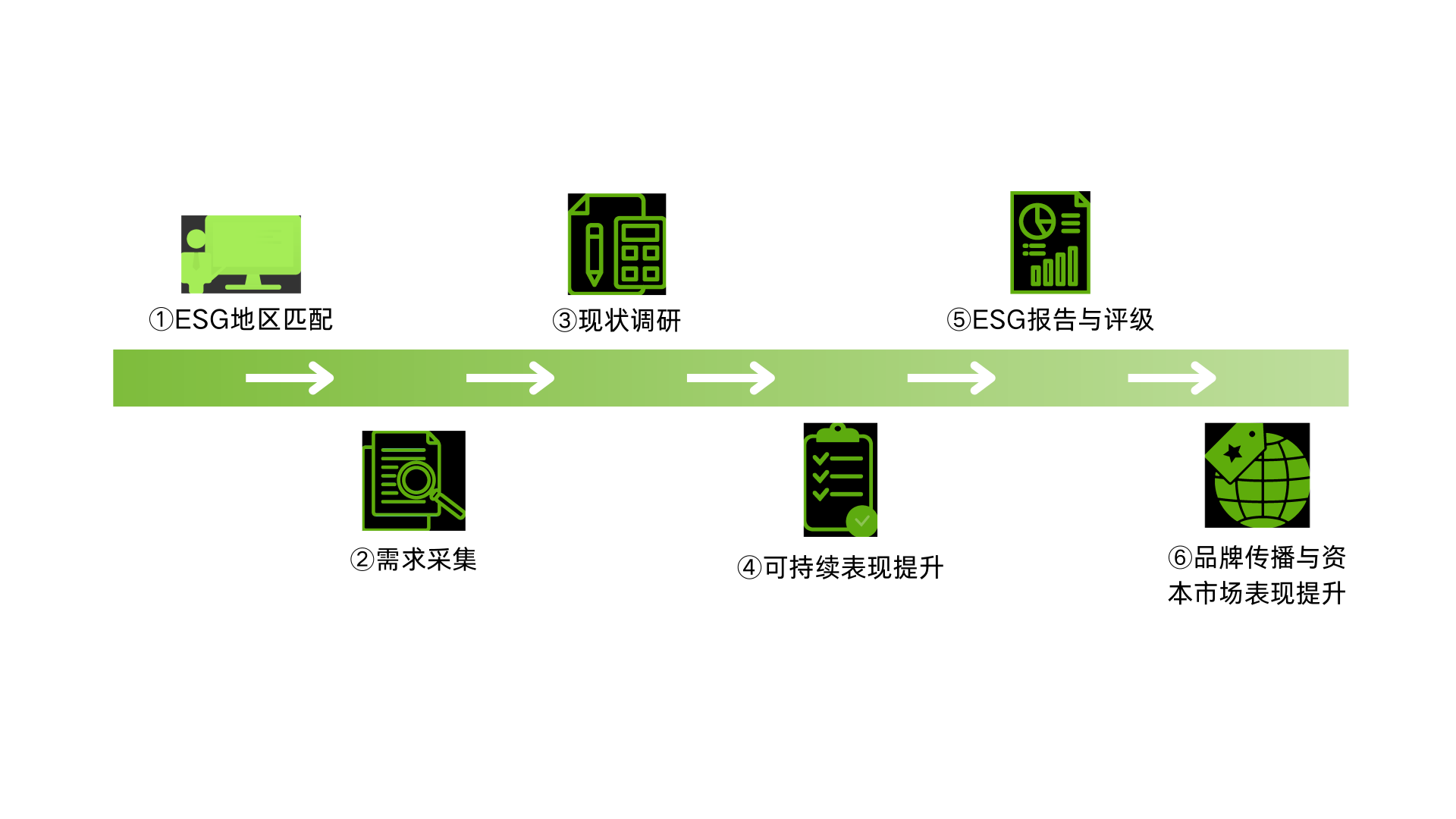
Service Scenario
CSRD CSDDD Compliance
ESG rating
Supply Chain Enhancement
Zero Carbon Enterprise Certification

可能受到欧盟法案约束的出口企业如, 我们可帮助您辨别是否为法案范围企业,及时应对CBAM、CSRD等合规要求并避免未来政策变化带来的风险。

中资跨国企业、国际品牌方子公司或国内上市公司,期望自身的绿色属性匹配国际ESG标准要素,以提升ESG评级结果,获得资本市场青睐和社会认同。

国际品牌方的上游供应链中的生产制造企业,当下游品牌方对供应链有较高的绿色要求诸如CSDDD、RE100、SBTi,我们可帮助您达成下游要求,并通过可追溯的可持续表现提升市场竞争力。
企业或园区,期望达成碳中和或获得零碳企业/工厂/园区认证,我们可帮助您高性价比地获得国内、国际认可的碳中和证书。
More Green Trade Services
We deeply integrate AI to provide you with efficient and user-friendly green trade tools.
“Hundreds, thousands, billions” action system
Join the global city zero carbon community now